

Toyota Financing and Leasing Options in Milwaukee, WI

Author: Serra Toyota of Milwaukee
Choosing how to pay for your new Toyota at Serra Toyota is a significant decision for Milwaukee drivers, especially with the area’s unique driving conditions. Understanding the difference between financing and leasing can help you make an informed choice that fits your daily commute, whether you’re navigating snowy roads in an AWD RAV4 or enjoying summer outings in a fuel-efficient hybrid. By weighing the benefits of each option, you can ensure your new vehicle meets your needs for safety, reliability, and community engagement.
Key Takeaways (TL; DR)
- Your Credit Score Matters: A strong credit score significantly influences your financing options, affecting interest rates and terms. This can lead to lower overall costs for Milwaukee drivers.
- Leasing vs. Financing: Financing allows you to build equity in a vehicle, while leasing typically results in lower monthly payments, ideal for those who prefer a new car every few years.
- Local Incentives: Various programs, such as those for recent graduates and military personnel, can reduce costs, making it easier for community members to afford a new Toyota.
- Preparation is Key: Before applying, gather necessary documents, check your credit, and establish a budget to streamline the financing process.
- Lease-End Flexibility: When your lease ends, you can choose to buy, lease a different model, or return the vehicle, providing options that suit your lifestyle.
- Shop Around: Comparing financing offers from different sources can yield better deals, so it’s wise to explore options beyond just the dealership.
What Is Automotive Financing?
Automotive financing is the way many Milwaukee drivers purchase their Toyota vehicles. It involves obtaining a loan from a lender-like Toyota Financial Services (TFS), a bank, or a credit union-to pay for your car. You’ll repay this loan amount, plus interest, through manageable monthly payments over a set period, known as the loan term. This process ultimately leads you to full ownership of your Toyota.
As you make each payment, you build equity, which reflects the portion of the vehicle that you own. Once you finish your payments, the lender sends you the vehicle’s title, making it officially yours. This financing option is especially beneficial for those who plan to keep their Toyota for a long time, whether it’s a RAV4 for family trips to the Milwaukee Art Museum or a Camry for reliable commutes through the Zoo Interchange.
How Toyota Financial Services (TFS) Works

Toyota Financial Services (TFS) is designed to streamline the financing process for customers at our dealership in Milwaukee. It makes it easy to find competitive rates and tailored financing options for your new Toyota, whether it’s a RAV4, Camry, or Highlander.
With TFS, you can get online pre-approval for your financing application, allowing you to understand your options before visiting us. Keep in mind that offers can vary based on your credit profile, so it’s beneficial to check your eligibility early on.
What Does It Mean to Lease a Toyota?
Leasing a Toyota is similar to renting a vehicle for a set period, typically 24 to 36 months, where you pay to use the car rather than purchasing it outright. Your monthly lease payment accounts for the car’s depreciation-the difference between its new value and what it’s expected to be worth at the end of the lease, known as the residual value. Additionally, you’ll pay interest based on a money factor, along with any applicable fees.
This setup generally leads to lower monthly payments compared to traditional financing. Leasing can be an appealing choice for drivers who enjoy having access to the latest models with advanced technology and safety features, making it ideal for navigating Milwaukee’s varied driving conditions.
When leasing, understanding depreciation is crucial: it reflects how much value the vehicle loses over time. The residual value estimates what the car will be worth at the end of your lease, impacting your monthly payments. The money factor is essentially the interest rate on the lease, and it can vary based on your credit score and the lease terms. Most leases last between 24 and 36 months, which aligns well with the desire for newer vehicles when driving through places like Oak Creek or West Allis.
What Are My Options When My Toyota Lease Ends?
When your Toyota lease comes to an end, you have several choices to consider, allowing you to decide what best fits your needs.
- Buy Your Leased Toyota: You can purchase your vehicle at the residual value specified in your lease agreement, often making it a financially sound choice.
- Start a New Lease or Purchase: You have the option to return your current vehicle and either lease or buy a new Toyota, giving you access to the latest models and features.
- Return Your Vehicle: Schedule an inspection to assess its condition and address any excess wear or mileage before you turn it in.
Understanding the Differences Between Financing and Leasing

The primary distinction between financing and leasing is ownership. Financing allows you to own the vehicle after payments, while leasing provides temporary use for a defined period, which can be beneficial for Milwaukee drivers looking for flexibility.
| Feature | Financing a Toyota | Leasing a Toyota |
|---|---|---|
| Ownership | Ownership transfers after the last payment. | The vehicle is returned to the leasing company. |
| Monthly Payments | Generally higher due to full vehicle cost. | Lower payments as you’re covering depreciation only. |
| Upfront Costs | Often requires a down payment. | Initial payment plus possible acquisition fees. |
| Customization | Freedom to modify the vehicle. | Must maintain original condition upon return. |
| Mileage | No mileage limits apply. | Annual mileage limits with potential overage fees. |
| Wear & Tear | Excessive wear can affect resale value. | Possible fees for excessive wear at end of lease. |
| End of Term | Options to keep, sell, or trade the vehicle. | Choices to return, buy the vehicle, or lease a new one. |
What Factors Determine My Financing or Lease Terms?
Several key elements influence the financing or lease terms you receive when considering a Toyota vehicle. Understanding these factors can help you make informed decisions and secure the best deal possible.
- Credit Score: A higher credit score typically qualifies you for more favorable interest rates.
- Down Payment: A larger down payment can lower your monthly payments and the total interest paid over time.
- Term Length: While longer terms can reduce monthly payments, they may also increase the overall interest paid.
- Vehicle Price/Type: The price and type of vehicle, such as the RAV4 or Camry, can affect financing options and incentives.
- Debt-to-Income Ratio: Lenders assess your debt-to-income ratio to determine your ability to manage monthly payments comfortably.
Are There Unique Toyota Programs I Can Qualify For?
Toyota provides special programs that can help you save on your next vehicle purchase or lease, catering to various groups such as recent graduates, military personnel, loyal customers, and specific local promotions.
- Toyota College Graduate Program: Offers incentives for recent graduates who can provide proof of graduation and employment.
- Toyota Military Appreciation Offer: Provides benefits for eligible U.S. military members and their spouses.
- Loyalty Benefits: Rewards for existing Toyota owners looking to purchase or lease select new models.
- Regional Promotions: Area-specific offers that vary and provide unique savings opportunities for local customers.
How to Apply for Toyota Financing or a Lease

Starting your application is straightforward, whether you initiate it online or complete it in-person at our dealership.
- Get Pre-Qualified: Understand potential financing terms without impacting your credit score.
- Gather Documents: Prepare necessary items like your driver’s license, proof of income, residence, and insurance information.
- Complete Application: Submit a full application which includes a hard credit inquiry.
- Review & Sign: Confirm the details on your loan including APR, term, payment, and any additional protections.
Is It Better to Pay Cash or Finance a Car?
Paying cash for a vehicle grants you immediate ownership without the burden of interest payments. However, it can significantly deplete your savings, which might be necessary for emergencies or future expenses. For example, if you opt for a Toyota RAV4, paying cash means you’re free from monthly payments, but it might limit your financial flexibility in the long run.
On the other hand, financing allows you to keep your savings intact while spreading the cost over time. This can be beneficial, particularly for drivers in Milwaukee who face winter weather or unexpected expenses. However, monthly payments can add up, and interest rates can vary based on credit scores. Ultimately, the choice between cash and financing hinges on personal budget considerations and comfort with debt.
What Are the Pros and Cons of Each Payment Method?
Explore the advantages and disadvantages of financing versus leasing a Toyota, tailored to your driving needs in Milwaukee.
Pros of Financing a Toyota
- You Own It: After your final payment, the vehicle is yours to keep, sell, or trade as you wish.
- No Mileage Penalties: Drive as much as you want without worrying about excess mileage fees.
- Freedom to Personalize: Modify your vehicle with accessories and enhancements to suit your style.
- Build Equity: Each payment increases your ownership stake, which can be advantageous when it’s time to sell or trade.
- Long-Term Cost Efficiency: While monthly payments may be higher, long-term ownership can save you money compared to leasing.
Cons of Financing a Toyota
- Higher Monthly Payments: Typically, financing requires larger payments compared to leasing options.
- Maintenance After Warranty: Once the warranty expires, you’re responsible for all repair costs.
- Depreciation: The vehicle may lose value over time, impacting resale value.
- Longer Commitment: Financing generally involves a longer-term financial commitment.
Pros of Leasing a Toyota
- Lower Monthly Payments: Leasing often results in smaller payments since you only pay for the vehicle’s depreciation during the lease term.
- Newer Vehicles More Often: Leasing allows you to drive the latest models with the newest features every few years.
- Fewer Repair Costs: Leases often coincide with the manufacturer’s warranty, minimizing out-of-pocket repair expenses.
- Easy Turn-In: At the end of the lease, you can return the vehicle without the hassle of selling it.
- Access to Advanced Features: Leasing enables you to enjoy high-tech safety and convenience features that newer models offer.
Cons of Leasing a Toyota
- No Ownership: At the end of the lease, you have no equity in the vehicle.
- Mileage Limits: Most leases have mileage caps, and exceeding them can lead to additional charges.
- Wear and Tear Fees: You may incur fees for excessive wear beyond normal use.
- No Customization: Vehicles must be returned in their original condition, limiting personalization options.
- Potential for Higher Long-Term Costs: Leasing continuously may be more expensive over time compared to financing.
How to Secure the Best Deal on Your Next Vehicle

Being well-prepared and timing your purchase can help you save significantly.
- Check Your Credit Score: Ensure your credit report is accurate to avoid surprises during financing.
- Shop Multiple Lenders: Collect quotes from your bank or credit union and the dealership for comparison.
- Purchase Timing Matters: Consider shopping at the end of the month or quarter when dealerships are more likely to offer incentives.
- Negotiate Price Before Financing: Focus on the vehicle’s price first, setting aside financing terms until later.
- Know Your Numbers: Familiarize yourself with key terms like cap cost and residual value for leases, or APR and loan terms for purchases.
- Consider Seasonal Promotions: Look for seasonal sales events, especially around holidays and during local festivals in Milwaukee.
Frequently Asked Questions (FAQs)
What credit score do I need for Toyota financing?
While lenders consider various profiles, a higher credit score typically opens the door to better financing options. A strong income and a reasonable down payment can also enhance your chances of securing favorable terms.
Is it hard to get approved by Toyota’s captive lender?
Approval rates can vary based on individual profiles; top-tier financing rates are often more selective. Demonstrating a steady income and maintaining a manageable debt-to-income ratio can significantly improve your approval odds.
Does Toyota ever offer 0% financing?
Yes, Toyota occasionally provides 0% financing on select new models during specific promotions, aimed at well-qualified buyers. This can be particularly appealing during seasonal sales events.
Can I negotiate the price on a lease?
Absolutely. The sale price of the vehicle, known as the capitalized cost, is negotiable and this can directly impact your monthly lease payments, making it worthwhile to discuss with your dealer.
About Serra Toyota
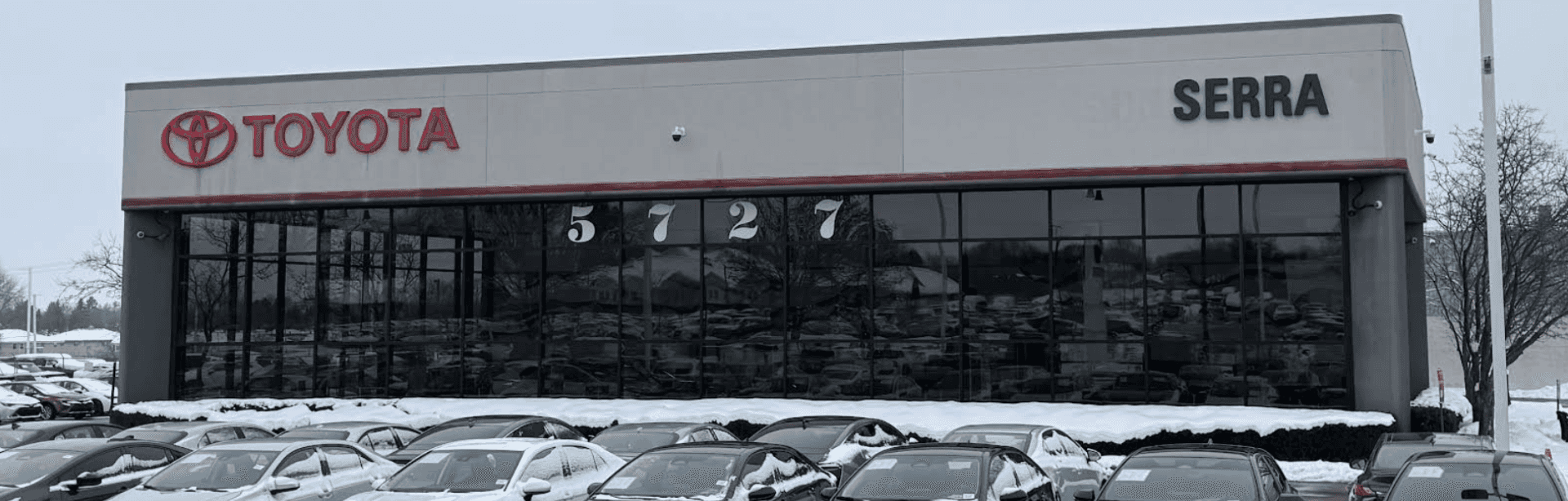
At Serra Toyota, our team is dedicated to sharing our automotive knowledge with you. As a family-owned business, we have built our reputation on trust and a commitment to excellence, earning the prestigious Signa award. We proudly support our community through partnerships with organizations like Folds of Honor. Our goal is to provide a superior experience, offering unique amenities like home delivery, a pet-friendly showroom, and complimentary loaner vehicles. We hope this post has been helpful, and we invite you to experience the difference our expertise and customer-first approach make.
Related Articles:
The Ultimate Guide to Finding the Best Toyota Dealer in Milwaukee, WI
0 comment(s) so far on Toyota Financing and Leasing Options in Milwaukee, WI